
Reasons Insurance Companies Deny Roof Claims in Southwest Florida
Why Insurance Companies Are Denying Roofs in Southwest Florida
Everyone knows your home is the biggest investment most families will ever make. The past few years have been especially concerning given the onslaught of hurricanes, year over year. Every customer we help knows at least one person who’s roof was denied by their homeowners insurance, following these hurricanes… In 2022, we had Hurricane Ian bombard Southwest Florida. And in 2024, we had Hurricane Milton and Hurricane Helene hit us again. They rummaged through Cape Coral, Port Charlotte, Nokomis, Sarasota, Fort Myers, and everywhere in between. So what are some of the main reasons insurance companies deny roof claims in Southwest Florida?
For years, homeowners in our communities (our neighbors) have been able to rely on their insurance policy to protect them following a natural disaster. Over the past few years, a growing number of homeowners have faced the frustrating experience of having roof-related claims denied by their insurance companies, or worse, having their entire policies canceled. So we decided to help our neighbors prepare for the next natural disaster that hits us in Southwest Florida.
If you’ve found yourself wondering why so many roofs are being denied coverage or claims are being rejected, you’re not alone. We found these to be the major reasons behind this trend and what it means for homeowners across the region.
Aging Roofs and Strict Age Limits
One of the biggest factors leading to insurance denials is the age of the roof. In many parts of the country, insurance companies don’t focus heavily on roof age unless there are obvious issues. But in Southwest Florida, insurers are taking a much harder stance.
In recent years, many insurers have implemented strict age limits on roofs—often refusing to insure homes with roofs older than 15 years, regardless of their condition. Even if your roof is not leaking and appears structurally sound, simply reaching a certain age can trigger non-renewal notices or coverage denials. We offer bi-yearly roof maintenance to ensure your roof stays in tip-top shape, which helps to avoid your roof being denied. Call us now to set up your free maintenance consultation.
The reason? Aging roofs are seen as a higher risk for future claims, especially during hurricane season.
Increased Risk from Hurricanes and Severe Weather
As we continue to bring up, Southwest Florida is no stranger to hurricanes, tropical storms, and severe weather events. It’s almost as if we have a countdown clock, but we don’t know when it’s gonna hit zero. Roofs are the first line of defense against these elements, and they suffer the brunt of the damage during these storms.
After major storms like Hurricane Irma (starting in 2017) and Hurricane Ian (2022), insurance companies faced billions of dollars in losses. To mitigate future risk, they’ve become far more cautious about which homes they insure, especially when it comes to the condition and construction of the roofs in our neck of the woods.
If an insurance company believes your roof is vulnerable to wind, hail, or water damage—even if there’s no immediate problem—they may preemptively deny coverage to limit their potential liability.
Roof Type and Materials Matter
The type of roofing material can also influence whether your home gets insured.
In Southwest Florida:
- Shingle roofs are typically the most at-risk and often have the shortest lifespan (usually around 15–20 years).
- Tile roofs (clay or concrete) and metal roofs tend to last longer (30–50 years) and are viewed more favorably by insurers.
- Flat roofs are seen as problematic due to drainage issues and water pooling risks.
See: which style of roof we recommend to best fend off the damage of our impending weather events. Which material is the best?
Insurance companies now heavily factor the type of roofing system into their underwriting decisions. Even if a shingle roof is well-maintained, it may still be seen as a higher risk compared to an older tile roof.
For example, If you have a 20-year-old tile roof in Cape Coral, but your neighbor has a 6-year-old shingle roof, you’re generally more likely to be covered in the event of a devastating weather event that may hit Southwest Florida.

Rising Hurricane Activity – Asphalt shingles are much less durable.
Rising Costs of Roof Replacements
Another huge reason insurers are tightening their standards is the skyrocketing cost of roof replacements.
Due to inflation, material shortages, labor costs, and the rising cost of building supplies, the average roof replacement in SW Florida has dramatically increased over the past decade. What once cost $10,000–$15,000 might now cost $25,000–$40,000 or more, depending on the roof type and size. Fortunately, we know which roof material will stand up better to hurricanes, which means we also know which roof material is more likely to be insured following a devastating weather event.
Since insurance policies often cover full roof replacements even if only part of the roof is damaged, insurers are looking for ways to avoid large payouts. Denying coverage for aging or questionable roofs helps protect their bottom line. Lucky for you, we’re on your side and will do everything in our power to avoid you getting denied in the future. That comes in two forms: getting a new roof (because it’s needed) or having your roof maintained a few times per year.
Roof Condition: Wear, Tear, and Lack of Maintenance
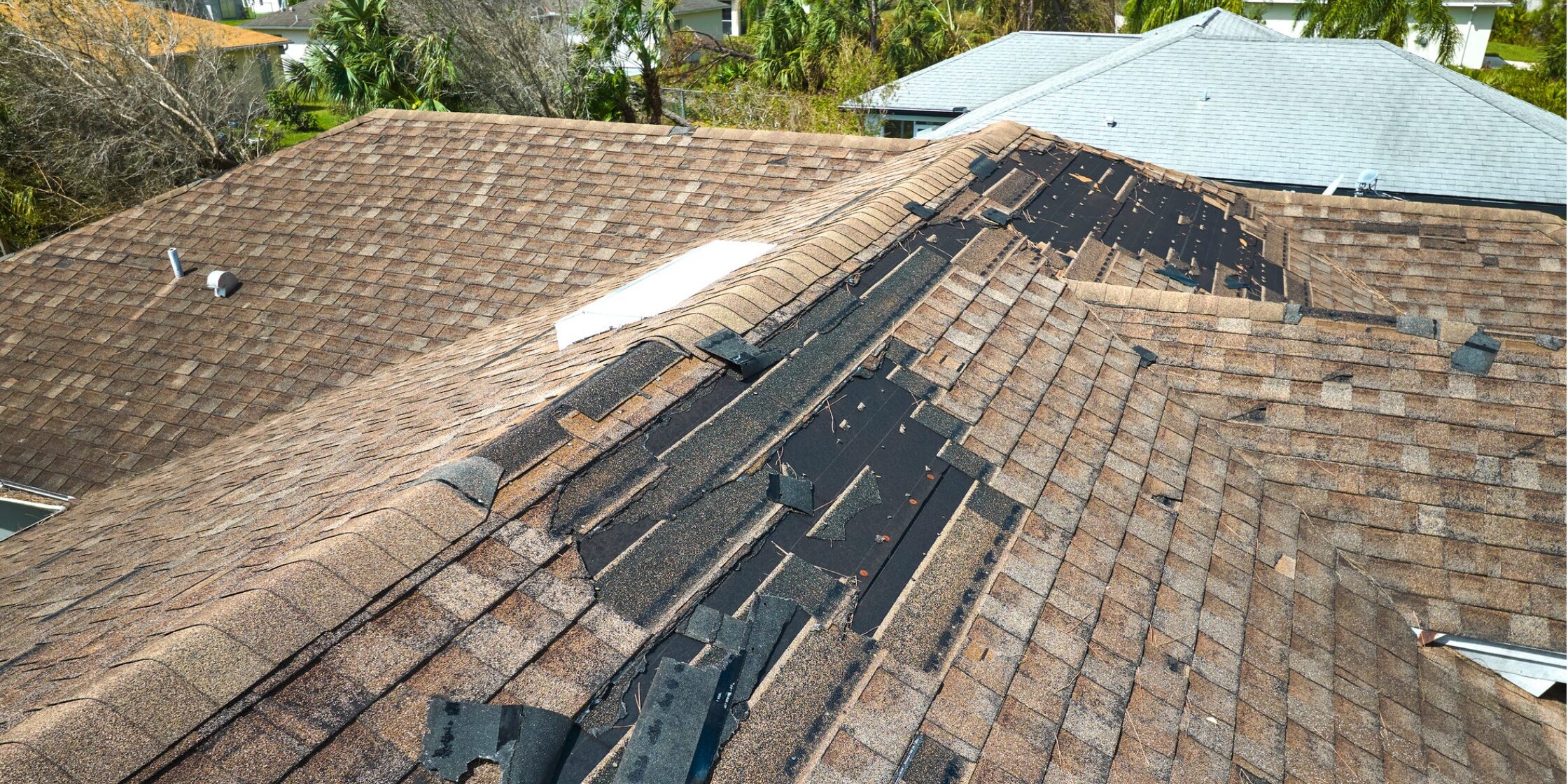
Insurance companies have also ramped up inspections of homes before renewal, particularly focusing on roof condition. When you look at your roof from the ground, it can be nearly impossible to see some of the tiny imperfections an insurance company will focus on when it comes to denying or approving the renewal of your policy or claim.
Common reasons they cite for denying coverage:
- Missing, cracked, or curling shingles
- Soft spots or sagging areas
- Visible leaks or prior water damage
- Evidence of patchwork or improper repairs
- Mold, algae, or heavy debris buildup
Even minor signs of neglect can be enough for a denial. In the eyes of insurers, if a homeowner isn’t properly maintaining their roof, they’re a higher risk for claims down the road. This is the kind of information they won’t reveal until it’s too late. This is why we offer a roof maintenance program available in Cape Coral, Sarasota, Nokomis, Fort Myers, Venice, etc. Our maintenance service allows our customers to stay ahead of/prevent a denied insurance claim. Call now to set up an appointment today!
Litigation Abuse and Fraud in Florida
A less talked-about, but very important, factor is the rise in roof-related lawsuits and insurance fraud in Florida.
For years, some contractors and attorneys were accused of encouraging homeowners to file exaggerated or fraudulent claims, especially after storms. These legal battles often forced insurers to pay enormous settlements, regardless of the legitimacy of the claims.
In response, many insurance companies tightened their underwriting standards—or pulled out of the Florida market altogether. The ones that remained became far more selective, heavily scrutinizing roof conditions to avoid possible lawsuits. We will not help customers commit fraudulent insurance claims. We are here to help ensure your roof stays maintained, so you’re more likely to be covered by your insurance in the event of a hurricane.
New State Legislation in Florida Is Changing the Landscape
In response to the insurance crisis, Florida lawmakers have passed several reforms over the past few years, including changes to assignment-of-benefits (AOB) laws and roofing claim practices.
However, these changes will take time to fully stabilize the market. In the meantime, many insurance companies are still playing defense by denying or limiting coverage based on roof age and condition.

Protect your home with confidence!
What Homeowners Can Do About It
If you’re concerned about your roof and your insurance, here are a few smart steps to take:
- Get regular inspections: Hire a licensed roofer to inspect your roof every 1–2 years and after any major storm. Document the condition with photos.
- Perform preventative maintenance: Replace missing shingles, fix minor leaks quickly, and clean off debris regularly.
- Consider a roof certification: Some insurers will accept a professional roof certification stating the roof has several good years of life left.
- Upgrade materials: If you’re planning a new roof, consider more durable materials like metal or tile, which can lower insurance premiums and risks.
- Shop around: Not all insurance companies have the same roof standards. It may pay to get multiple quotes, especially from smaller regional carriers.
- Stay proactive: Don’t wait for a non-renewal notice. Talk to your agent if your roof is approaching 10–15 years old.
Our company specializes in delivering all of the above bullets. We offer maintenance and roof replacement services to all of Southwest Florida. We have clients in Cape Coral, Nokomis, Port Charlotte, Punta Gorda, Sarasota, Fort Myers, and all areas in between.
Final Thoughts – Why Insurance Companies Are Denying Roofs in Southwest Florida. What actions can you take to address this issue?
Protect What Matters Most – Your Home! Southwest Florida’s Trusted Roofing Experts
Living in beautiful Southwest Florida comes with many perks—but it also means dealing with the unique realities of maintaining a home in a hurricane-prone, high-risk insurance market. Roof-related insurance denials are becoming more common, but understanding why can help you stay ahead of the curve.
By keeping your roof in good condition, staying informed, and working with reputable contractors, you can protect your home, your family, and your wallet.


